Best Things to Do in Malaysia for First-Time Visitors (Complete Guide)

You’ve probably scrolled past Malaysia a dozen times while planning your Asia trip and kept moving. Bali was louder, Bangkok felt more familiar, and Japan was already on the bucket list. But here’s something most first-timers figure out only after they land — Malaysia quietly does everything well.
The food alone is worth the flight. Petronas Towers glowing at night, jungle canopy walks in one of the world’s oldest rainforests, colonial pastel streets in Penang, white-sand islands off the northeast coast — it’s all in one country. And it sits at a price point that doesn’t feel like roughing it.
This guide covers the best things to do in Malaysia for first-time visitors. No filler, no vague suggestions. Whether you have 7 days or 14, by the end you’ll know exactly where to go, what to skip, how much to budget, and where to sleep. According to Tourism Malaysia, the country welcomed over 20 million international visitors in recent years — and most of them say they didn’t stay long enough.
📋 Quick Info: Malaysia at a Glance
| 📍 Country | Malaysia |
| 💰 Daily Budget | $30–$60 (budget) | $80–$150 (mid-range) |
| 💵 Currency | Malaysian Ringgit (MYR) — 1 USD ≈ 4.7 MYR |
| 🗓️ Best Time | March – October (west coast dry season) |
| ⏱️ Trip Duration | 7–14 days recommended |
| 🛂 Visa | Visa-free for most nationalities (30–90 days) — check official visa requirements |
| ✈️ How to Reach | Kuala Lumpur International Airport (KLIA) — main hub |
| 👤 Best For | Solo travelers, families, foodies, first-timers |
Why Malaysia Should Be on Your Radar
Nature That Goes Beyond What You Expect
Malaysia has one of the oldest tropical rainforests on the planet — older than the Amazon. Taman Negara is 130 million years old, and you can walk through it on suspended canopy bridges while hornbills fly overhead. Cameron Highlands looks like someone dropped the English countryside into the middle of a tropical country. Langkawi has beaches that don’t feel staged — they feel like you actually found them.
Heads-up: Borneo (Sabah and Sarawak on the Malaysian side) requires a separate domestic flight from KL. It is not a day trip. Factor in the extra cost if orangutans or Mount Kinabalu are on your list — it is absolutely worth it, just plan the logistics separately.
Food Culture That Is Genuinely World-Class
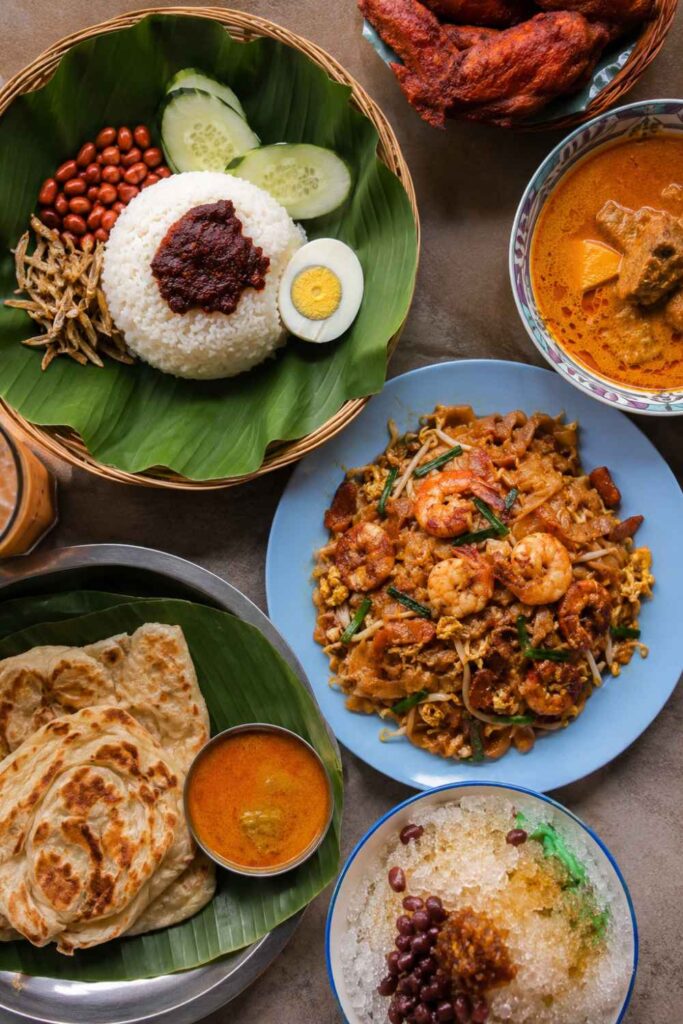
Malaysia is one of the few places where eating at a plastic-chair street stall is actually the correct choice. Nasi lemak for breakfast costs under $1. Char kway teow in Penang will ruin you for other noodle dishes. The Indian Muslim food scene — called mamak culture — operates 24 hours and feeds the entire country at 2am.
Penang is widely considered the food capital of Southeast Asia, not just Malaysia. If food matters to you even a little, build your itinerary around it.
Budget-Friendly Without Feeling Cheap
Unlike some budget destinations that trade comfort for affordability, Malaysia does both well. A clean air-conditioned guesthouse in KL runs $15–25 a night. A proper mid-range hotel room in Penang is $35–50. The intercity bus network is reliable and costs almost nothing — KL to Penang is around $8–12 by coach. If you’re arriving from Singapore or any expensive island resort, Malaysia feels like a financial exhale.
You can browse accommodation options across Malaysia on Booking.com — it covers everything from budget guesthouses to beachfront resorts and usually has the most competitive rates.
Best Time to Visit Malaysia
March to October — Best Overall Window
The west coast — Kuala Lumpur, Penang, Langkawi — is generally dry during this stretch. This is when most first-timers visit and it is the safest window for outdoor activities and beach trips. Temperatures sit around 28–33°C year-round regardless of season, so pack for heat no matter when you go.
November to February — East Coast and Borneo Season
The east coast (Perhentian Islands, Tioman Island) gets heavy monsoon from November to February, so those beaches are essentially closed. But this period is good for Sabah and Borneo, and the west coast remains relatively stable. If you want the Perhentian Islands, plan strictly for March to October.
Ramadan Timing
If your trip falls during Ramadan (dates shift each year based on the lunar calendar), many hawker stalls open later in the day. The upside: Ramadan bazaars open every evening across the country and are one of the best ways to try a huge variety of local food in one place. It is not a reason to avoid Malaysia — just something useful to know before you go.
How to Get to Malaysia
By Air
Kuala Lumpur International Airport (KLIA) is the main international gateway. AirAsia is based here and runs cheap regional routes across Asia. One important thing to know: KLIA and KLIA2 are not the same terminal. KLIA2 handles budget carriers including AirAsia. Check your terminal before arriving or you will be taking a shuttle between them while panicking. You can search current flight prices to KL on Skyscanner to compare airlines and dates.
By Train or Bus from Thailand or Singapore
If you are doing a longer Southeast Asia trip, overland entry is easy. Buses from Singapore to KL run frequently, take 4–5 hours, and cost $10–20. The KTM train from Bangkok runs through the peninsula and takes 20+ hours — slow, but scenic and cheap. You can compare bus and train schedules on 12Go Asia, which covers most cross-border routes in Southeast Asia.
By Ferry from Thailand
If you are coming from the southern Thai islands, ferries run from Satun (Thailand) directly to Langkawi. It is a straightforward crossing with no drama, and it drops you right onto one of Malaysia’s best islands without touching KL at all.
Best Places to Visit in Malaysia for First-Timers
1. Kuala Lumpur
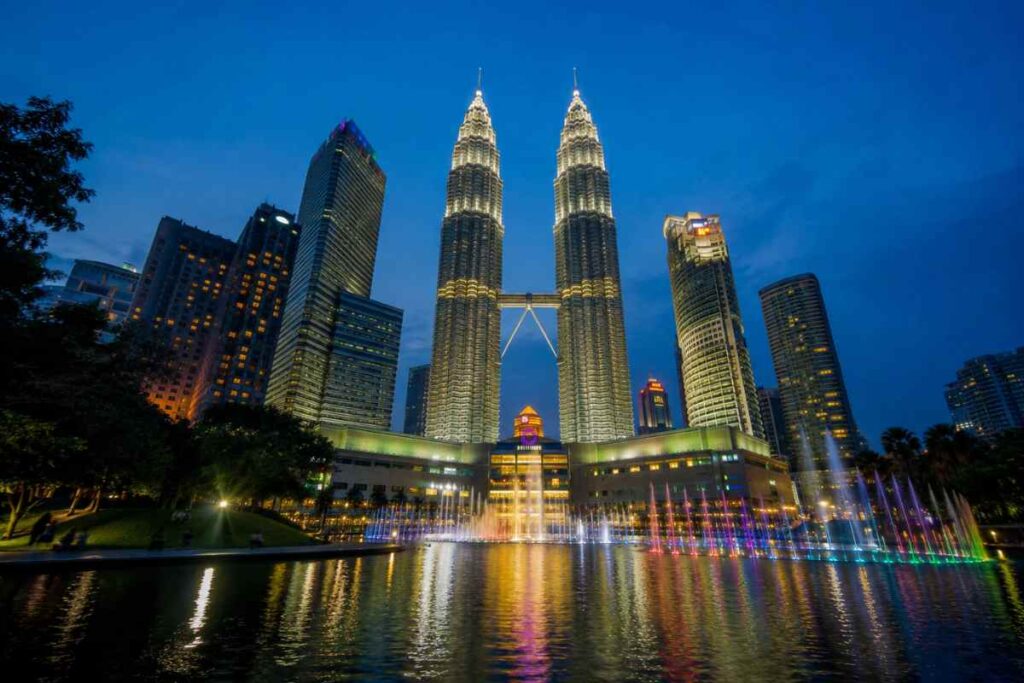
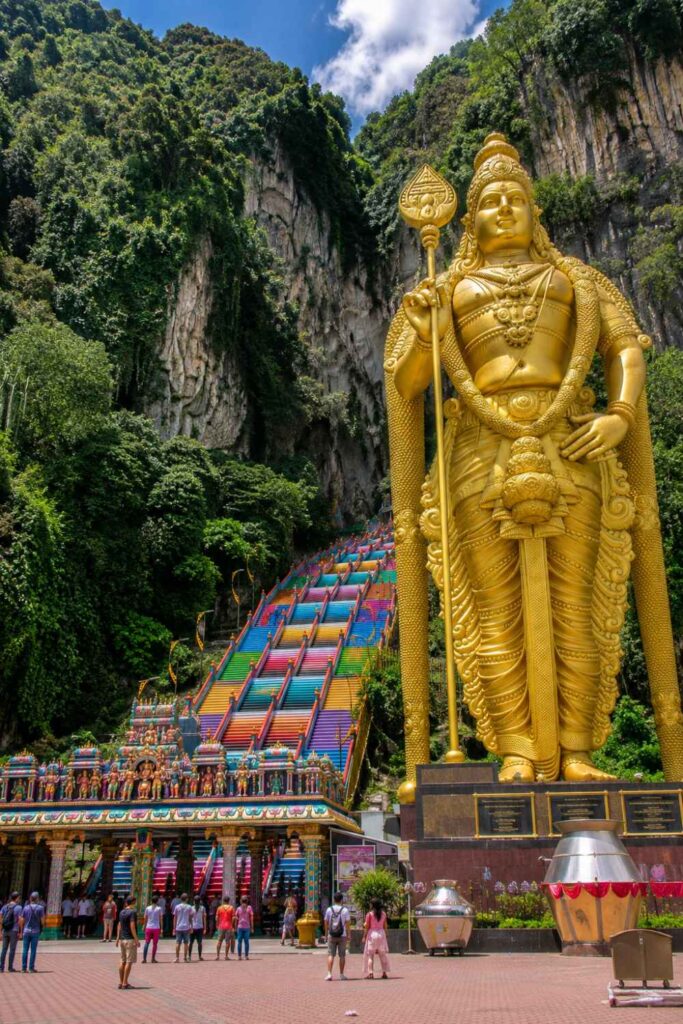
Start here. The Petronas Twin Towers are best photographed from KLCC Park at night — the reflection in the fountain pool is the shot most people are actually going for. Batu Caves is a 15-minute train ride from central KL and is one of the most visually dramatic Hindu temples in Southeast Asia, with a 43-meter golden statue at the entrance and 272 rainbow-painted steps leading into the cave. Chinatown’s Petaling Street is chaotic and fun. The Lake Gardens area near the Bird Park is a surprisingly calm afternoon if you want a break from the city noise.
If you want to cover multiple KL highlights without navigating buses, a guided KL city tour through Viator gets you to Batu Caves, the city center, and the Petronas Towers area in one organized morning.
2. Penang (George Town)
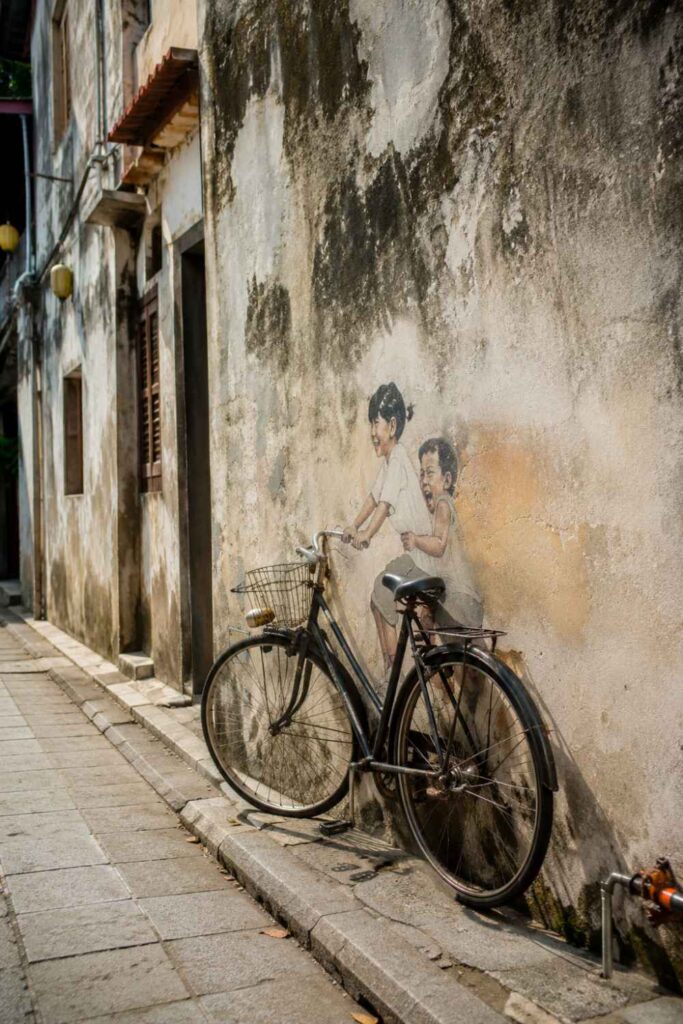
This is the city people do not want to leave. George Town has UNESCO-listed colonial architecture, internationally famous street art murals, and the best concentration of hawker food stalls in the country. Take a trishaw through Little India in the morning. Eat char kway teow at a hawker center for lunch. Walk the street art trail in the afternoon. Watch the sunset from Gurney Drive. That is a full and complete day, and it costs almost nothing. George Town’s UNESCO World Heritage listing covers why the architecture here matters if you want the historical context before you walk the streets.
For accommodation in Penang, Agoda has strong inventory for George Town boutique hotels — many are inside renovated heritage shophouses which is a genuinely cool experience.
3. Langkawi
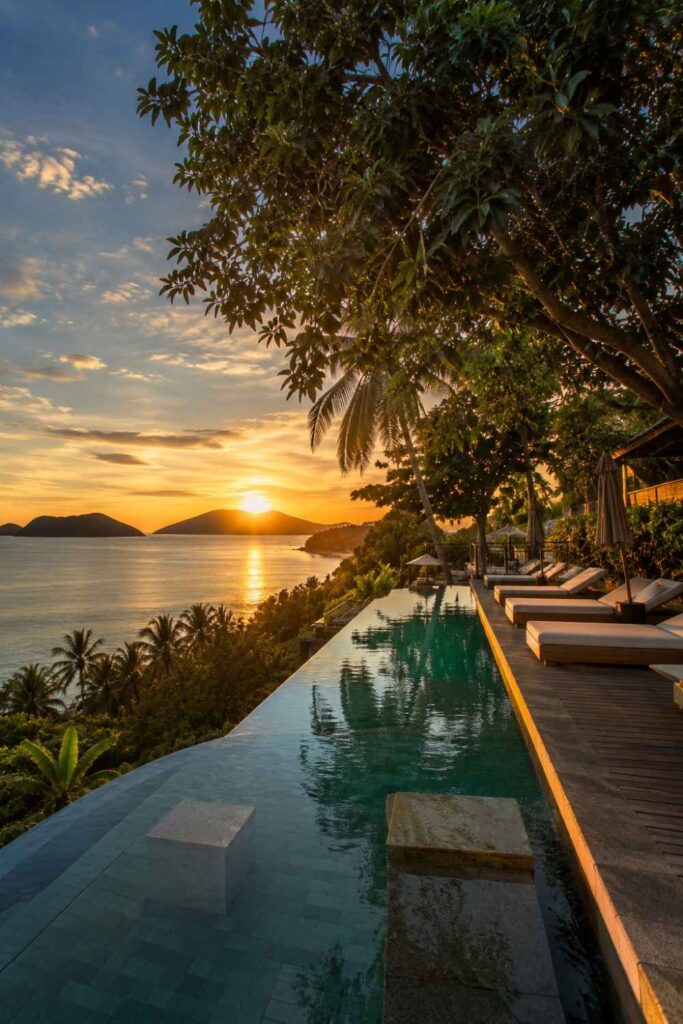
Malaysia’s duty-free island. Alcohol is significantly cheaper here than anywhere else in the country because Malaysia is Muslim-majority with high alcohol taxes elsewhere. The beaches — particularly Pantai Cenang — are clean and far less crowded than the Thai islands most people compare them to. The Langkawi Sky Bridge gives you views over jungle canopy and surrounding islands that are hard to describe properly. The cable car ride up to it is part of the experience.
You can book the Langkawi cable car and Sky Bridge combo on Klook at a decent rate, and it lets you skip the on-site ticket queue.
4. Cameron Highlands
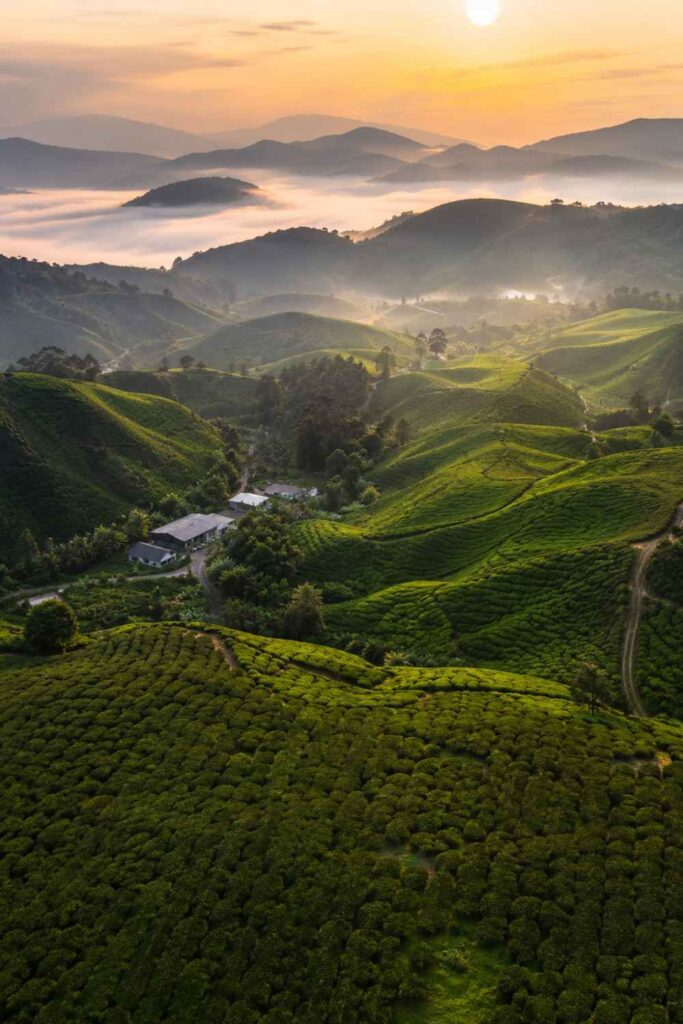
Tea plantations in cool misty hills at 1,500 meters elevation. Temperatures drop to 15–20°C which feels almost cold after KL’s constant heat. You can walk through active tea farms, pick strawberries, eat local honey, and drink some of the freshest tea you’ve ever had straight from where it was grown. It is a 3–4 hour bus ride from KL. Two nights here is enough to feel the change of pace without getting restless. A Cameron Highlands day trip from KL on GetYourGuide is also an option if you do not want to stay overnight.
5. Taman Negara
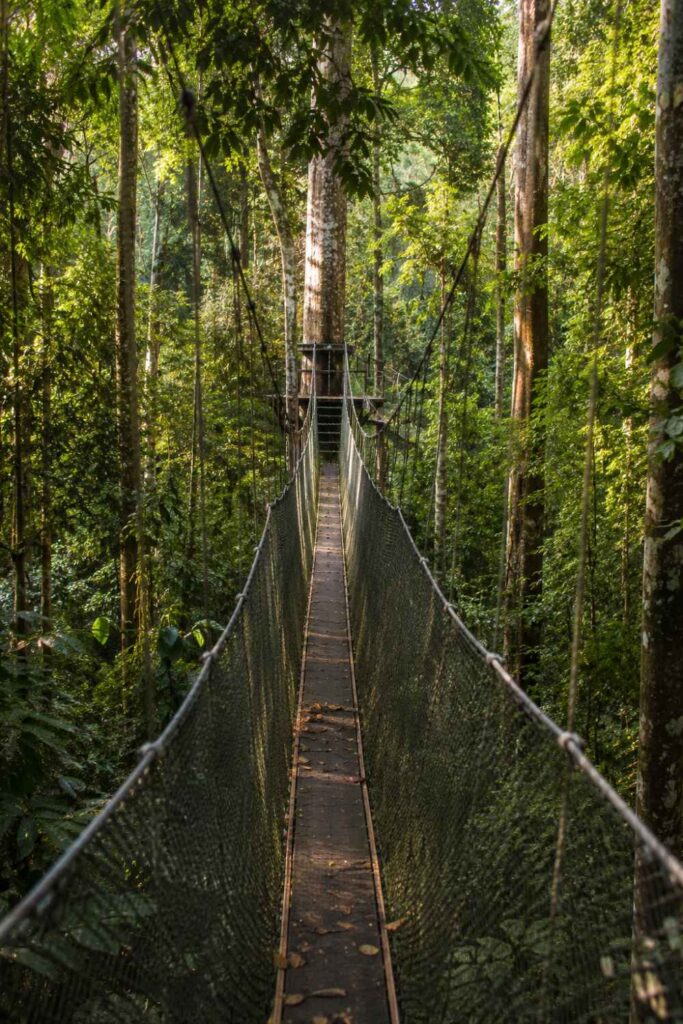
The world’s oldest tropical rainforest. You do a canopy walkway suspended between ancient trees, night jungle safaris where you spot wildlife with a torch, and river boat trips deeper into the forest. Stay inside the park or in Kuala Tahan village right on the riverbank outside it. This is not luxury. Expect basic chalets, wildlife that makes noise at 3am, and no reliable WiFi. That is exactly the point. Check Taman Negara’s official wildlife department page for current park entry fees and permit requirements before you go.
6. Malacca (Melaka)
A 2-hour bus ride from KL. One of the oldest port cities in Southeast Asia — Portuguese, Dutch, and British colonial buildings stacked on the same street across 500 years of history. Jonker Walk at night is a good night market with decent street food. This can be done as a day trip from KL or as an overnight stop on the way to Penang.
7. Perhentian Islands
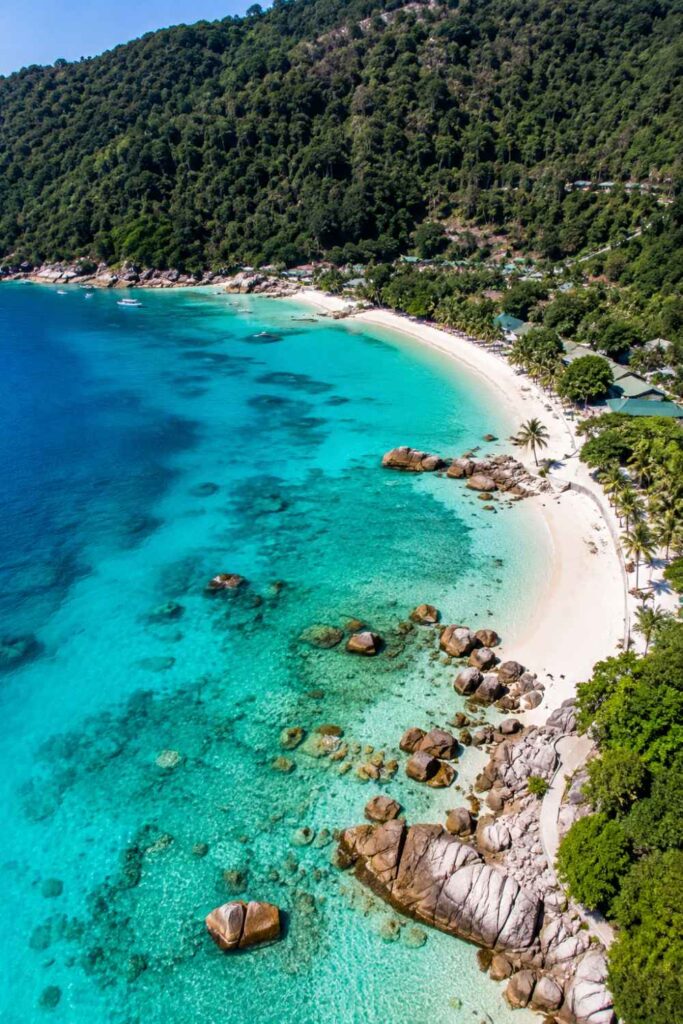
Two tiny car-free islands off the northeast coast. Snorkeling directly off the beach — no boat needed. Water that is actually turquoise, not the filtered-photo version. Cheap beach bungalows right on the sand. Only accessible March to October. This is the kind of place that makes people extend their flights home.
8. Borneo — Sabah and Sarawak
A different world. Kota Kinabalu in Sabah is the base for climbing Mount Kinabalu (the highest peak in Southeast Asia) and for visiting the Sepilok Orangutan Rehabilitation Centre. Kuching in Sarawak has longhouse cultural experiences, the Iban tribal heritage, and the Mulu Caves — one of the largest cave systems on earth. Budget separate domestic flights from KL and at least 4–5 dedicated days. Do not try to squeeze this into a KL day trip.
7-Day Malaysia Itinerary for First-Time Visitors
Day 1–2: Kuala Lumpur
Arrive and recover. Day 1: KLCC park and Petronas Towers at night, dinner at Jalan Alor street food strip. Day 2: Batu Caves in the morning (go before 10am — it gets hot on those steps fast), Chinatown in the afternoon, rooftop bar in Bukit Bintang in the evening.
Day 3: Malacca Day Trip or Overnight
Take the bus from TBS (Terminal Bersepadu Selatan) — buses run every 30–45 minutes. Walk Jonker Street, visit the Stadthuys Dutch colonial building, eat at a Nyonya restaurant for lunch. Either head back to KL the same evening or sleep in Melaka and continue north the next morning.
Day 4–5: Penang
Fly (45 minutes) or take the bus (4–4.5 hours from KL — very comfortable). Day 4: George Town street art walk and Cheong Fatt Tze Mansion (the Blue Mansion). Day 5: Penang Hill, Kek Lok Si temple, evening hawker center dinner at Gurney Drive or New Lane.
Day 6–7: Langkawi
Ferry from Penang — around 2.5 hours, very scenic crossing. Day 6: Beach at Pantai Cenang, cable car and Sky Bridge. Day 7: Explore by motorbike (cheap to rent), Kilim Geoforest Park mangrove tour, eagle feeding at Datai Bay, duty-free shopping before your flight out.
📅 10–14 Days? Add Cameron Highlands between KL and Penang (2 nights), and tag Perhentian Islands (March–October only) or a Borneo extension at the end.
Malaysia Budget Breakdown
Transport Costs
- KLIA Express train to KL city center: ~$12 one way
- Intercity bus KL to Penang: $8–12
- Grab rides within cities: $2–6
- Penang to Langkawi ferry: $30–40
- Domestic flight to Borneo (KL–Kota Kinabalu): $30–80 booked ahead on AirAsia
Food Costs
- Hawker stall meal: $1–3
- Mid-range restaurant: $6–12
- Western or tourist restaurant: $10–20
- Daily food budget eating local: $10–15 is comfortable
Accommodation Costs
- Budget guesthouse or hostel: $10–25/night
- Mid-range hotel: $35–70/night
- Luxury hotel: $100–250/night
Total Daily Budget Estimate
| Traveler Type | Daily Budget (USD) |
|---|---|
| Backpacker | $30–40/day |
| Comfortable mid-range | $60–100/day |
| Semi-luxury | $120–180/day |
Where to Stay in Malaysia
Budget Accommodation
In KL, the Chinatown area (Petaling Street) and Chow Kit have the best concentration of clean budget guesthouses. In Penang, stay within walking distance of George Town’s heritage zone — you save on transport and the vibe is much better. In Langkawi, Pantai Cenang has budget guesthouses 2 minutes from the beach. Hostelworld has good reviews-based filtering for Malaysia hostels if you are travelling solo and want to meet people.
Mid-Range Hotels
In KL, Aloft KL Sentral or any hotel in Bukit Bintang puts you close to food and transport. In Penang, staying inside a restored heritage shophouse hotel is the move — it costs about the same as a regular hotel but feels completely different. In Langkawi, Casa del Mar gives a beachfront feel without full resort pricing. Compare mid-range hotels across Malaysia on Booking.com — filter by guest rating above 8.0 for reliable quality.
Luxury Stays
In KL, The Majestic Hotel is colonial-era grandeur done properly, and Mandarin Oriental has direct Petronas Tower views from the higher floors. In Langkawi, The Datai Langkawi is a legitimate rainforest luxury resort — the kind of place where monkeys walk past your villa in the morning. It is expensive, but it justifies itself.
Malaysia Travel Tips for First-Timers
Safety
Malaysia is one of the safer countries in Southeast Asia for solo travelers, including women traveling alone. Standard city precautions apply — keep an eye on your bag in crowded markets, avoid flashing expensive gear in tourist-heavy areas at night. Grab (the ride-hailing app) is more reliable and safer than hailing random taxis, and it works across every city in Malaysia. Download it before you land.
One important thing: Malaysia is a Muslim-majority country. Outside beach resorts and tourist areas, dress modestly — covering shoulders and knees gets you into mosques, temples, and most local places without any issues.
Travel insurance is not optional. Medical costs in Southeast Asia can surprise you fast. SafetyWing covers most trips from around $42/month and is one of the most popular options for independent travelers heading to this region. If you are doing adventure activities like jungle trekking in Borneo or climbing Mount Kinabalu, World Nomads includes adventure coverage in their standard plans.
Packing for Malaysia
- Lightweight clothes for 28–33°C heat everywhere except highlands
- A compact rain jacket — afternoon rain comes fast and heavy
- Sunscreen — buy it at home, it is expensive locally
- One modest outfit for temples and mosques (long pants or skirt, covered shoulders)
- Flip-flops for beach islands, comfortable walking shoes for cities
- A small daypack for day trips — waterproof if possible
Common Mistakes First-Timers Make
- Spending 4–5 days in KL and not enough time in Penang
- Booking a full week in a Langkawi resort and missing Penang food entirely
- Not downloading Grab before arrival — street taxis in some areas still try to overcharge tourists
- Booking east coast islands in November–February without checking monsoon season dates
- Assuming Malaysia is expensive because Singapore is nearby — it is not even close
Frequently Asked Questions
Is Malaysia safe for solo female travelers?
Yes, generally. Malaysia consistently ranks as one of the safer countries for solo female travel in Asia. Use Grab instead of hailing random taxis, stay alert in crowded tourist areas at night, and dress modestly outside resort areas. Most solo female travelers report zero issues and find Malaysians genuinely helpful to tourists.
How many days do I need in Malaysia?
A minimum of 7 days covers KL, Penang, and one beach destination comfortably. Ten to twelve days allows you to add Cameron Highlands and Malacca. If Borneo is part of the plan, add at least 4–5 dedicated days on top of your peninsular itinerary — it deserves its own trip within the trip.
Do I need a visa for Malaysia?
Most nationalities get visa-free entry for 30–90 days. US, UK, EU, Australian, and most Asian passport holders do not need a visa in advance. Always check the official Malaysian immigration website for your specific passport — the rules get updated periodically.
What is the best food to try in Malaysia?
Nasi lemak (coconut rice with sambal and anchovies — the national breakfast), char kway teow (stir-fried flat noodles), roti canai with dhal (eaten at any mamak stall at any hour), Penang laksa, satay, and cendol (shaved ice dessert with palm sugar and coconut milk). Penang is the single best city for food exploration — budget at least two full days there just for eating.
Is Malaysia expensive for travelers?
Not at all. It sits on the affordable end of Southeast Asia. Street food meals cost $1–3, intercity buses are $8–12, and clean guesthouses run $15–25 a night. A comfortable daily budget is $40–60 for most travelers. It is noticeably more affordable than Thailand’s tourist hotspots and dramatically cheaper than Singapore, which many people mistakenly use as a price reference for the region.
What is the best city to start a Malaysia trip?
Kuala Lumpur. It has the main international airport, excellent bus and flight connections to the rest of the country, and enough to fill 2–3 days without feeling rushed. Do not skip it, but do not stay longer than 3 nights unless you have specific reasons — Penang and the islands deserve equal time.
Final Thoughts
Malaysia rewards the people who do not just stay in KL for a week and go home. The country stretches across peninsula and Borneo, packs in food cultures that have been building for centuries, and runs at a pace that makes travel feel genuinely enjoyable rather than exhausting. Most first-timers leave saying they should have given it more time.
Start in KL, get to Penang as fast as you reasonably can, pick one island, and leave space for the unexpected. That is a good Malaysia trip. Everything else builds from there.
Always check the latest entry requirements on the official Malaysian immigration site and current travel advisories before your trip. Visa rules, ferry schedules, and island opening seasons change seasonally.